
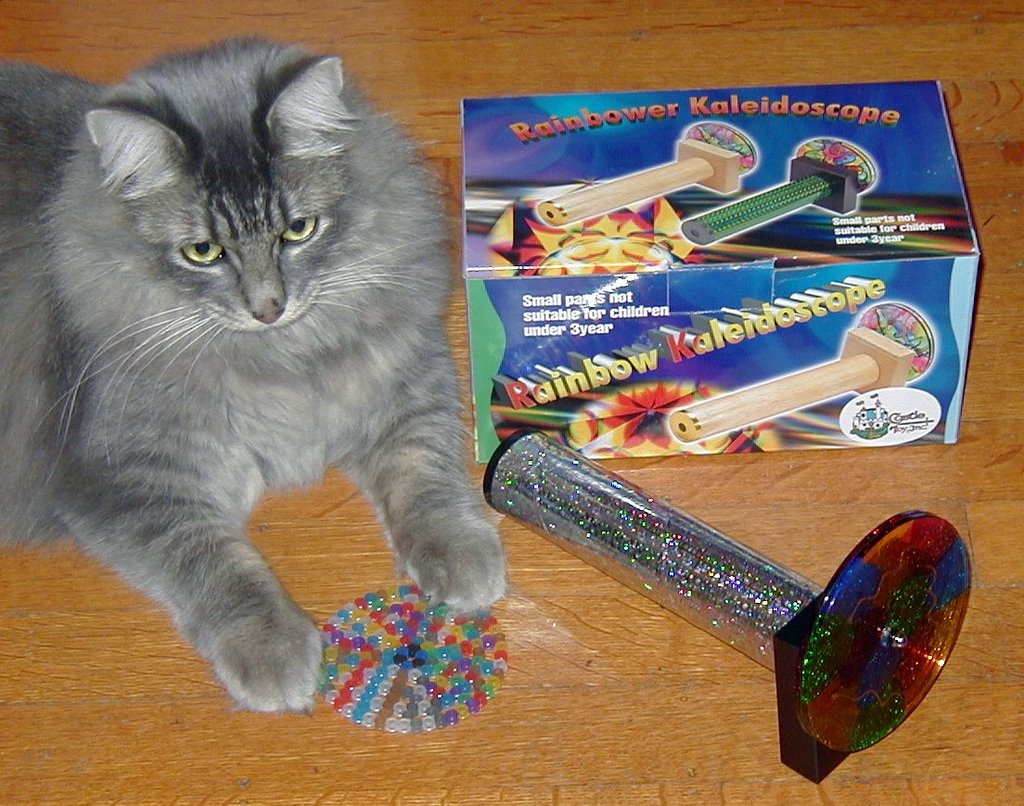
This is an interesting wheel kaleidoscope I found in a local store.
Wheel kaleidoscopes have disks with patterns and colors that rotate independently in front of the mirrors, instead of chambers full of loose objects which tumble into different patterns in typical kaleidoscopes most of us knew as kids.
In the wheel kaleidoscope, as two wheels with their transparent patterns overlap differently, a wide variety of image effects can be formed. By exchanging the wheels, even more patterns variety can be achieved.
This inexpensive toy came with two acrylic disks painted with smears of various colored transparent paint, and thin squiggles of opaque paint. The images produced are lovely.
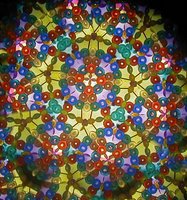
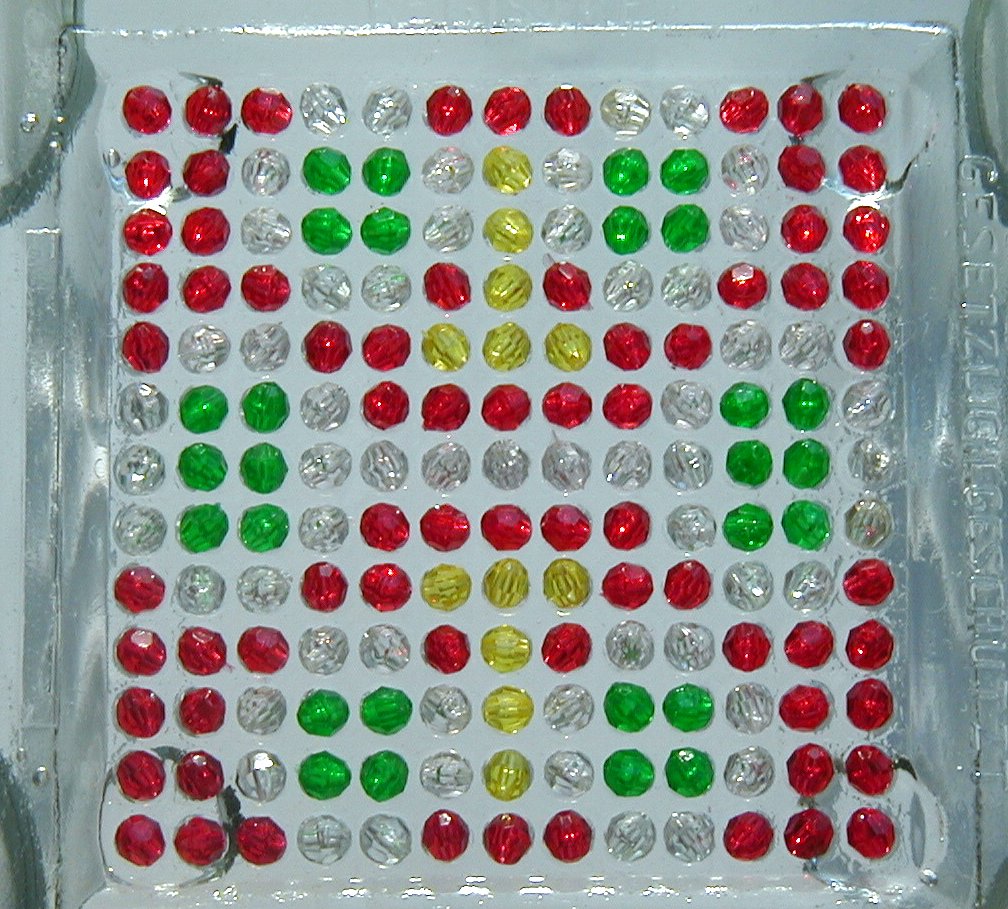
But I wanted a little more variety and didn't have any blank disks, so I turned to transparent fusible beads (by
Perler or
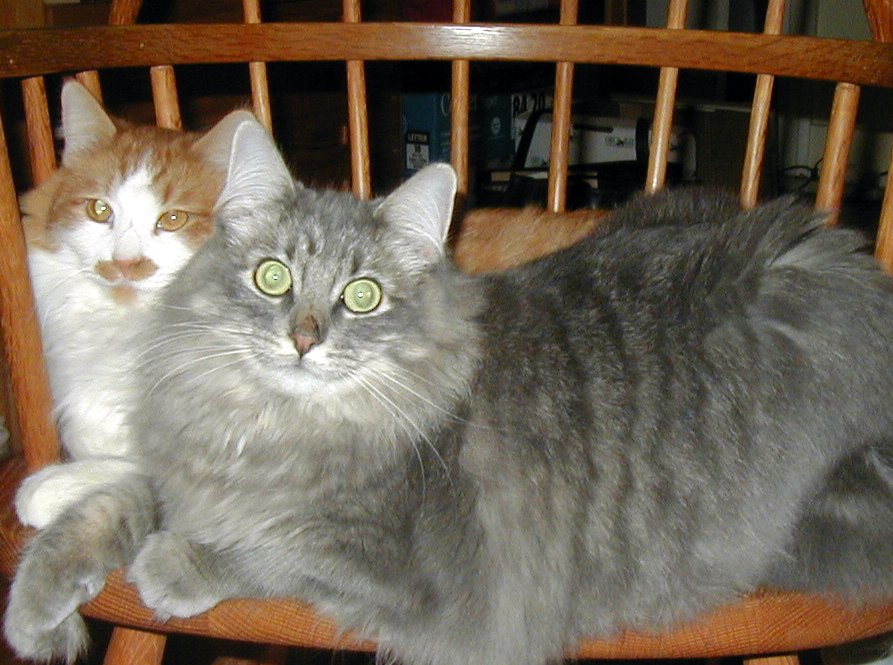
Hama). Wow! Wonderful results, either in combinations with one of the acrylic wheels, or paired with another bead disk. That's one of my disks between Archie's paws.
I omit beads in every other row, so that more of the colors of the second disk show through, though the gaps between the beads and the holes in the middle already provide some show through, and of course you get color modifications through the combinations of colored beads. Various disks have either odd rows or even rows gapped, and one of each is chosen when they are paired.
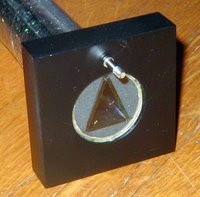
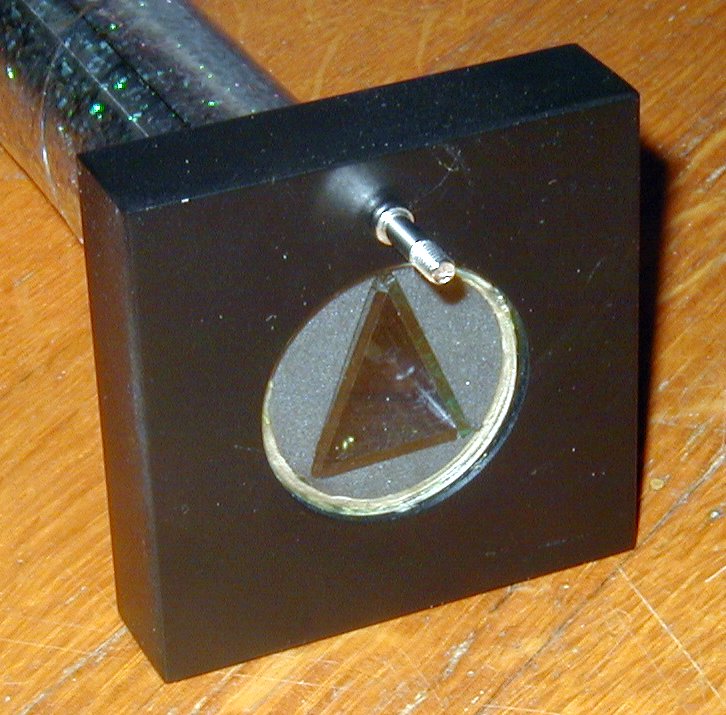
The arrangement for mounting the wheels intrigues me as well. Rather than mount the axle to the cardboard kaleidoscope tube, which probably isn't strong enough, a wood block with two holes is used: a large hole into which the mirror tube fits, and a small hole which mounts the axle with sturdy support. Since the axle is off center to the block, the block extends beyond the disks on one side, and provides a rest when the kaleidoscope is set down, rather than having it rest on the disks.
[As always, click on an image for a larger version.]
 Jo and I were at my parents yesterday evening, to enjoy a dinner prepared by my brother and his wife. While I was there, I took pictures of the oriental rugs, with particular attention in this one, which was in front of the fireplace when I was a wee tyke in Portland, and which provided what I considered a highly satisfactory play area.








 Posts
Posts

